
 Image 1 of 3
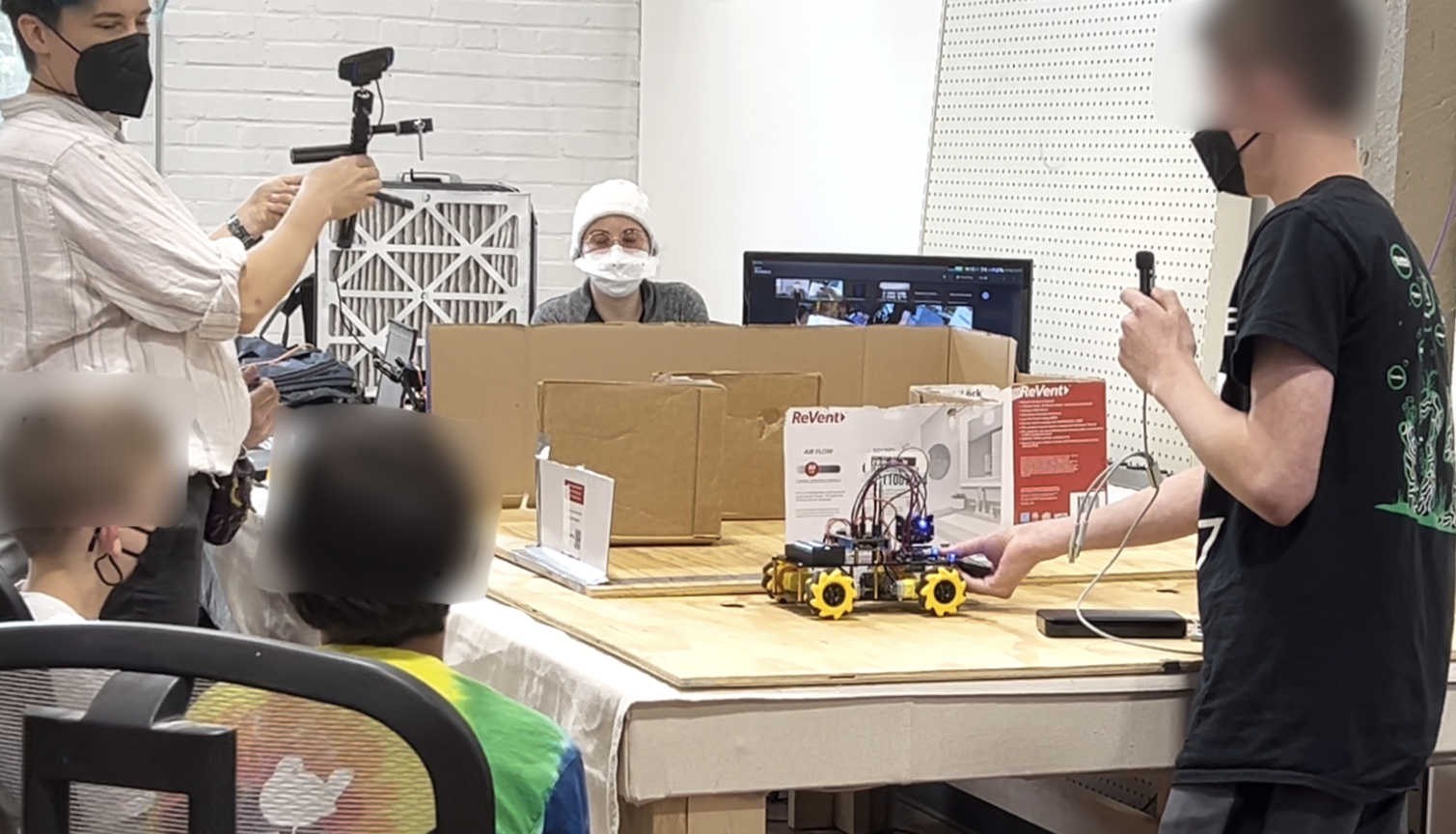 Image 2 of 3
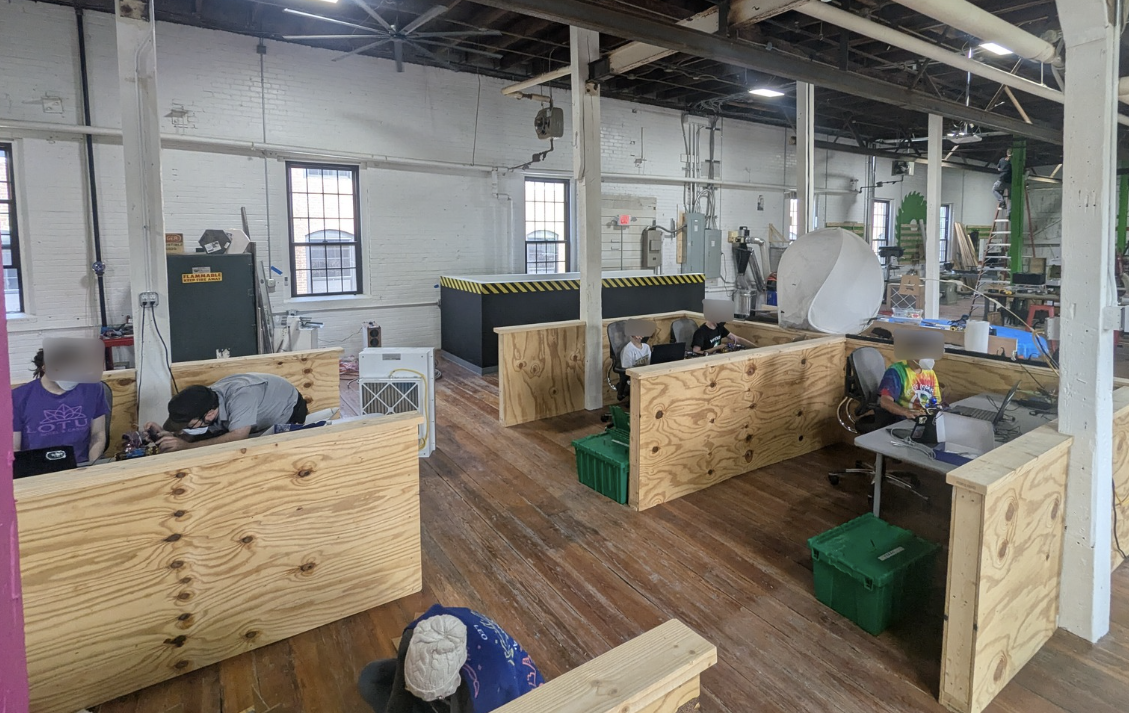 Image 3 of 3
Program Information
-
Monday–Thursday: 10:00 AM – 4:00 PM
Friday: 10:00 AM – 6:00 PM
On Friday afternoon, families are invited to a 3:00 PM robot showcase (in person or via Zoom).
-
The virtual program is a pre-requisite for this in person program.
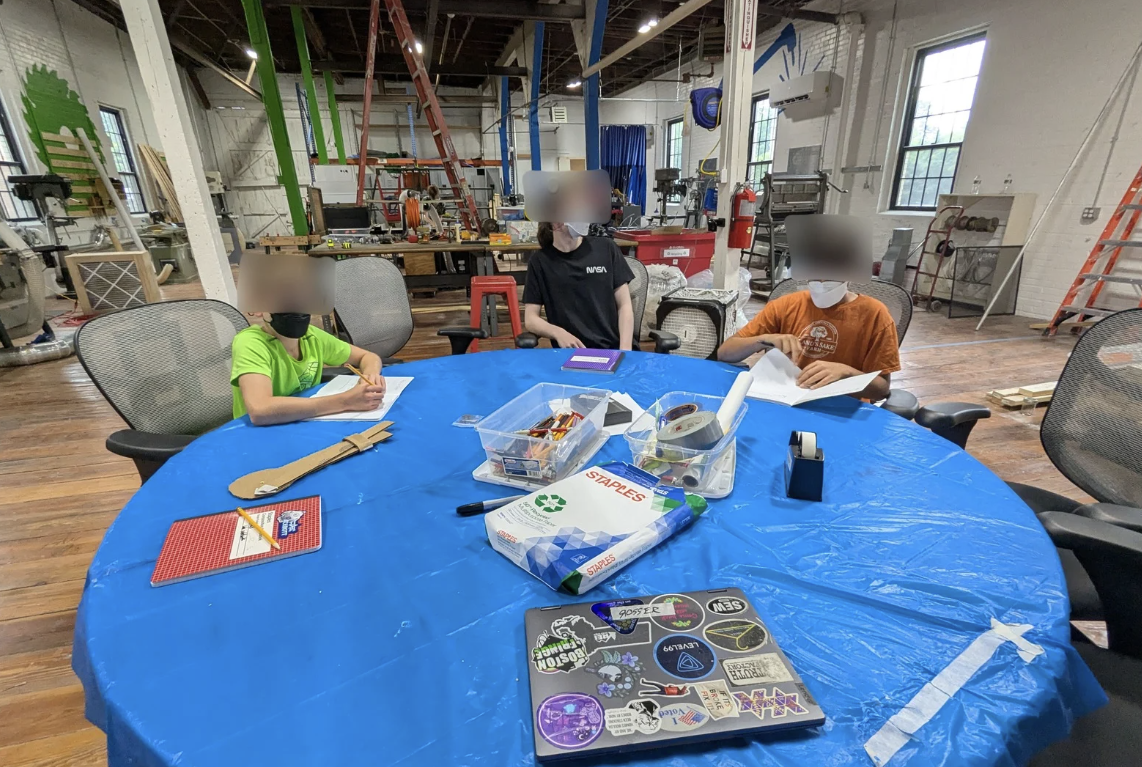
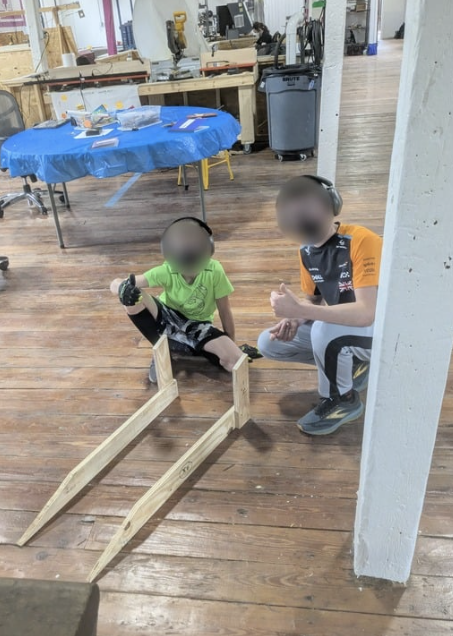
This is where the real excitement begins. Students build and modify robot kits using hand and power tools under expert supervision, integrating servos, sensors, and mechanical systems. Working in collaborative teams, they move through the engineering design process—brainstorming ideas, sketching and planning, building, testing, and refining their designs based on what works (and what doesn’t).
They experiment with linkages, motion systems, and degrees of freedom to create robots that can grab, lift, and navigate obstacle courses. As teams integrate code with hardware, they troubleshoot together, iterate on designs, and improve performance—building collaboration, problem-solving skills, and engineering confidence along the way. At the end of the program, teams showcase their robots in action, demonstrating their creations to parents and peers.

Featured Products
Age Group: 12-18
Number of Sessions: 8
Prerequisite: None
Date: Mon/Wed @ 2pm ET, June 15 - July 8.
Price inclusive of Robotics kit and domestic shipping cost.
Frequently Asked Questions
-
The robotics sequence has two parts: a virtual robotics programming course first, followed by an in-person hands-on robotics makerspace camp near Boston. Together, they’re designed to help students build both coding confidence and real engineering skills.
-
Yes. The current program design treats Code & Control: Virtual Robotics Programming as the prerequisite for Engineer & Iterate: Hands-On Robotics. The idea is to give students a shared foundation before they enter the makerspace environment.
-
Students assemble and program a small robot kit at home while learning core programming ideas like logic, loops, conditionals, and debugging. They also explore mechanical concepts such as motors, gear ratios, linkages, and degrees of freedom.
-
In the in-person program, students work in teams to build and modify robots using hand and power tools under supervision. They move through the engineering design process by brainstorming, planning, building, testing, troubleshooting, and improving their designs.
-
Yes, especially because the virtual portion is meant to build the foundation first. Students do not need to arrive as experienced robot builders, but they should be ready to engage seriously, solve problems, and work through frustration when things do not work the first time.
-
Yes. In the in-person robotics program, students use hand and power tools in a makerspace setting with expert supervision. Safety goggles are required in the shop, and they must not interfere with mask fit.
-
Robotics is priced higher because it involves specialized kits, tools, materials, extra prep and troubleshooting, and a fully equipped makerspace. It is designed as a true hands-on engineering experience, not a light introductory enrichment class.
-
Both parts of the robotics sequence are currently designed for ages 12–18. The virtual course runs first, and the in-person makerspace week follows later in the summer.
-
At the end of the in-person robotics week, families are invited to a Friday showcase where students demonstrate their robots and share what they built. Families can attend in person or via Zoom.
-
Yes. Students are welcome to take the virtual robotics course (Code and Control) as a standalone class; continuing on to the in-person robotics camp (Engineer and Iterate) is optional.